We're hiring ! Join us and make a difference in our hospitals

Neuromuscular Reference Centre (CRNM)
Neuromuscular Reference Centre (CRNM)
Presentation
The Erasme-HUDERF Neuromuscular Reference Centre provides the services of an expert multidisciplinary team to offer integrated care to anyone with a neuromuscular disease. Neuromuscular diseases are conditions caused by dysfunction of the motor unit (consisting of the muscle, the neuromuscular junction and the nerve), which prevents the muscle from contracting normally. These diseases affect both children and adults. The age at which the disease appears, the initial symptoms and the severity of the condition vary depending on the disease. Motor, respiratory, cardiac and digestive functions may be affected to varying degrees and may require multidisciplinary care and follow-up.
To request an appointment: %20Cons [dot] Neuromusculaire [dot] erasme [at] hubruxelles [dot] be (Cons[dot]Neuromusculaire[dot]erasme[at]hubruxelles[dot]be) or by telephone: +32 2 555 33 60.
Image

Image

There are six groups of neuromuscular diseases:
- Myopathies (Steinert disease, dystrophies, myositis, myotonia, periodic paralysis, glycogen storage diseases, mitochondrial diseases, etc.).
- Diseases of the neuromuscular junction (myasthenia gravis and Lambert-Eaton syndrome).
- Motor neuron diseases (amyotrophic lateral sclerosis or “Charcot disease”, post-polio syndrome, spinal muscular atrophies, etc.).
- Neuropathies = polyneuritis = polyneuropathies (inflammatory, Guillain-Barré syndrome, CIDP/PIDC, Charcot-Marie-Tooth disease, diabetes-related, etc.).
- Degenerative syndromic conditions (often hereditary) (hereditary spastic paraplegias/Strümpell-Lorrain disease, Friedreich’s ataxia and spinocerebellar ataxias/SCA, etc.).
- Plexus disorders (cervicobrachial, lumbosacral).
The care services cover all stages of the disease, from the most precise diagnosis through to treatment. The team’s work is primarily focused on optimising care, advising and guiding patients, their relatives and their care team, in close consultation and collaboration with local practitioners who are also involved in the patient’s care. The team’s main aim is to improve quality of life, slow disease progression, prevent and limit complications and, ultimately, improve the long-term prognosis.
Structure and functioning
The Erasme-HUDERF Neuromuscular Reference Centre (CRNM) brings together a multidisciplinary medical and paramedical team with expertise in neuromuscular diseases. Its activities are coordinated by the coordinating physicians, with the support of coordinating nurses and the secretariat. The core medical team, made up of specialists in neurology, paediatric neurology, physical medicine and genetics, works in conjunction with named referral physicians (for paediatric and adult patients) from various specialties (anaesthesiology, cardiology, dermatology, endocrinology, gastroenterology, gynaecology, internal medicine, emergency medicine, obstetrics, ophthalmology, orthopaedics, paediatrics, pneumology, psychiatry, stomatology and urology). This medical team’s expertise enables diagnosis and ensures medical follow-up and treatment during the multidisciplinary neuromuscular consultations held several times a month.
All medical and technical examinations (for example, electromyography, neuromuscular biopsy, DNA analysis and cardiopulmonary assessment) are carried out within the Erasme-HUDERF Neuromuscular Reference Centre. Certain highly specialised laboratory analyses are performed in collaboration mainly with leading laboratories in Belgium and Europe. Neuromuscular biopsies are performed in close collaboration with the neuropathology laboratory of Brugmann University Hospital. The rehabilitation team (present at both the Erasme and HUDERF sites) consists of paramedical specialists representing the following professions: coordinating nurse, occupational therapist, physiotherapist, psychologist, social worker, speech therapist and dietitian.
Patients’ files are systematically discussed during multidisciplinary team meetings, which makes it possible to shorten and refine the diagnostic process and accelerate care. A personalised and coordinated programme of medical and rehabilitation care is systematically proposed to the patient, their relatives and their home care team. There is close collaboration between the CRNM (Erasme site) and the rehabilitation centre located on the same site, which has both inpatient and outpatient facilities where neuromuscular patients are regularly treated during the acute phase and/or over the long term.
Care management
Examinations
Cardiac assessment
The cardiac assessment as part of the Neuromuscular Reference Centre (CRNM) comprises five examinations: electrocardiogram, echocardiogram, Holter ECG, bone densitometry, and muscle and/or nerve biopsy.
Electromyography (EMG)
This examination involves inserting a fine needle into the muscle being studied in order to record the electrical activity produced by the muscle fibres when the muscles are activated or when they are at rest and fully relaxed.
Cardiopulmonary exercise testing
Cardiopulmonary exercise testing is used to assess your exercise capacity (cycling). The examination is performed on a bicycle. Measurements are taken throughout the exercise to assess your respiratory system and your heart.
Nerve conduction velocity testing
Nerve conduction velocity testing determines the speed at which electrical signals travel along a particular peripheral nerve. It is used to diagnose a nerve injury or dysfunction.
Evoked potentials
This technique involves stimulating the sensory organs to assess the function of specialised nerve structures involved in transmitting information related to touch, hearing and vision, using electrical stimuli, headphones and a screen, respectively.
Repetitive stimulation
Repetitive nerve stimulation (RNS) is a neurophysiological tool used to reveal certain neuromuscular transmission and muscle conduction deficits.
Ischaemic forearm exercise test
The purpose of this test is to detect dysfunctions in muscle metabolism, particularly the muscle’s ability to use energy resources. After a cuff has been inflated around the upper arm and a catheter (a small plastic tube) has been placed in a vein in the forearm, the patient is asked to repeatedly clench their fist against resistance for several minutes.
Treatments
Medication
In the context of neuromuscular diseases, drug treatments are numerous and vary considerably depending on the diagnosis made. It is therefore impossible to detail all the possible options here for the many diseases grouped under the term “neuromuscular diseases”. Each treatment will be adapted with your doctor to your condition and to your individual circumstances (medical history, age, etc.).
Non-pharmacological treatments
A significant proportion of patients with a neuromuscular disease experience limitations in their activities of daily living, and the disease often affects various areas of life: professional, family, social, psychological and economic consequences, etc. In this context, the centre’s team offers you integrated, continuous multidisciplinary follow-up over time, in order to identify the difficulties related to the disease as effectively as possible and to try to provide the most appropriate responses according to each patient’s specific needs. Regular physiotherapy is, in most situations, an essential treatment to recover and/or maintain the best possible motor function and functional independence in the medium and long term. A range of measures may be implemented to facilitate daily functioning when necessary: adaptations to the home, various forms of home assistance, different allowances, a reduced-mobility parking permit, etc.
Useful documents and brochures
Our specialists
Our specialists
Pr.
Gauthier
Remiche
Dr.
Michela
Bisciglia
Pr.
Turgay
Tuna
Pr.
Antoine
Bondue

Pr.
Hubert
Louis
Pr.
Isabelle
Vandernoot
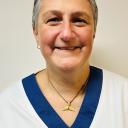
Dr.
Stéphanie
Romnée
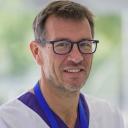
Pr.
Jean-Christophe
Goffard
Dr.
Françoise
De Greef
Pr.
Nicolas
Mavroudakis
Dr.
Florence
Christiaens
Dr.
Alionka
Bostan
Dr.
Nicolas
Roper
Pr.
Fabian
Moungondo
Pr.
Françoise
Vermeulen
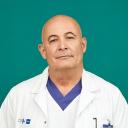
Pr.
Dimitri
Leduc
Dr.
Joëlle
Margaux
Dr.
Adeline
Higuet
Pr.
Thierry
Roumeguère
In 2024, the H.U.B’s CRNM celebrates its 10th anniversary.
On this occasion, the CRNM is organising a symposium on 23 November 2024 at the Museum of Medicine.