We're hiring ! Join us and make a difference in our hospitals


Fertility Clinic – MAR (Medically Assisted Reproduction)
Contact the Fertility Clinic
Are you a doctor and wish to obtain the medical results of your patients, refer a patient, or request a (second) opinion?
Contact our clinic by phone at +32 (0)2 555 36 89 (weekdays between 8:30 am and 12:30 pm) or by email at secmed [dot] FIV [at] hubruxelles [dot] be.
Would you like to schedule an appointment with one of our specialists for yourself or a loved one?
Contact us by phone at +32 (0)2 555 48 57 or by email at cons [dot] PMA [at] hubruxelles [dot] be.
Opening hours on weekdays: 8:00 am – 12:30 pm and 1:00 pm – 4:30 pm.
| Outside opening hours, or if you prefer to avoid waiting, our virtual AI assistant is available 24/7, both in writing and by voice. It answers your questions and forwards your request to our teams. Click here to start the conversation. |
Do you have an administrative request?
Contact our medical administration by phone at +32 (0)2 555 36 89 or by email at secmed [dot] FIV [at] hubruxelles [dot] be.
The Secretariat of the Fertility Clinic is open on weekdays from 8:00 am to 1:00 pm and 1:30 pm to 4:30 pm.
For a Multidisciplinary Approach to Fertility Issues
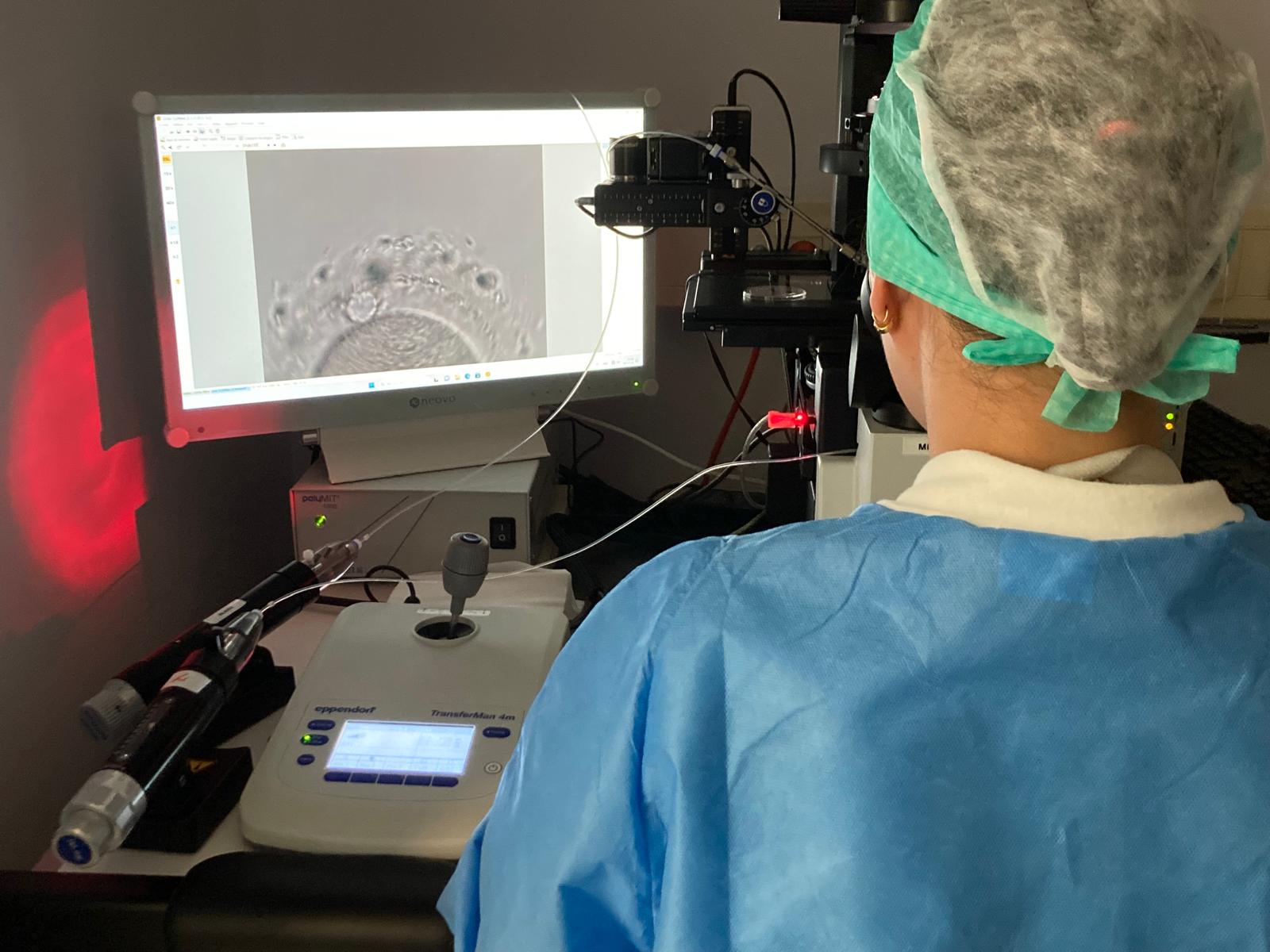
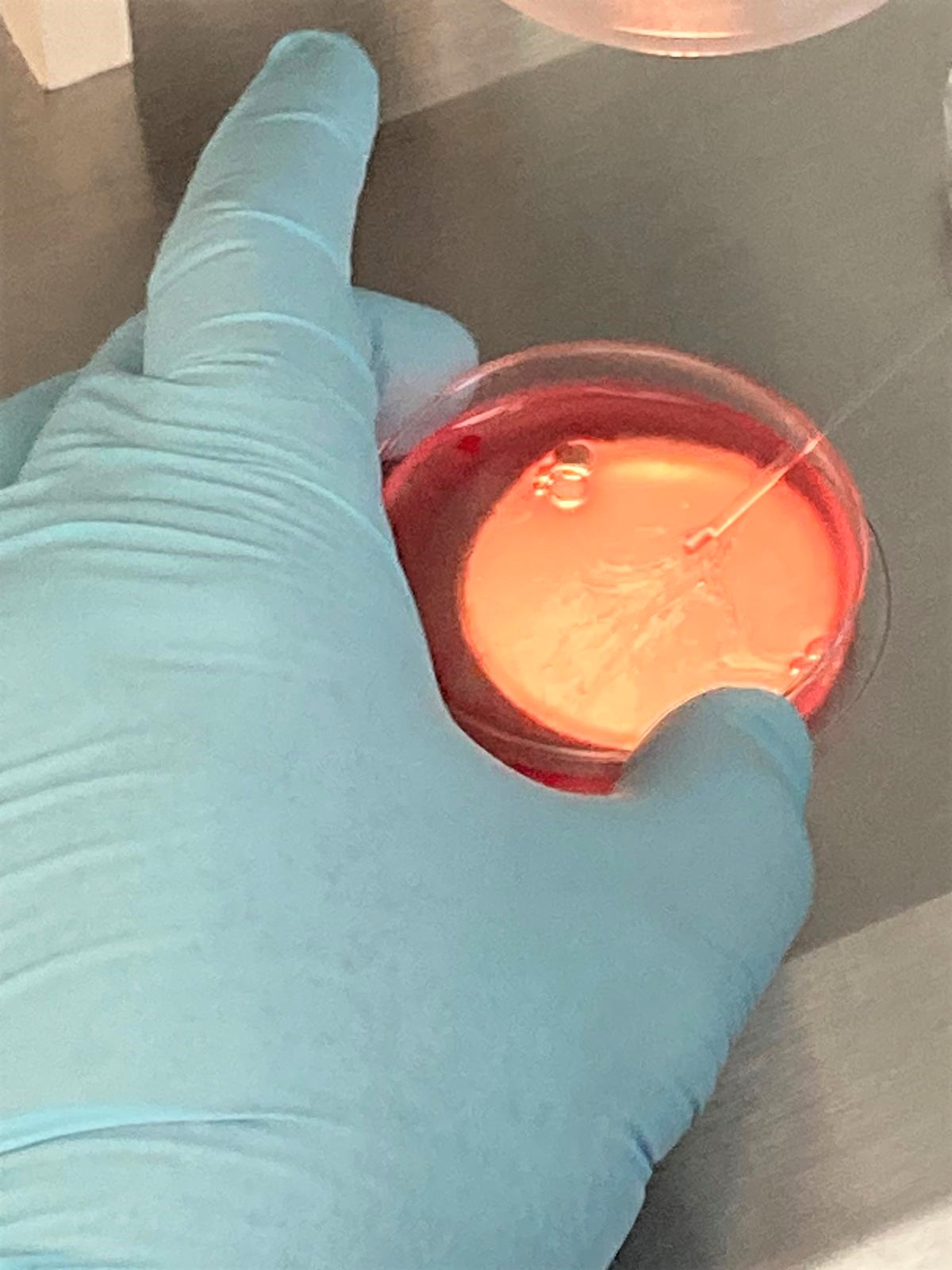
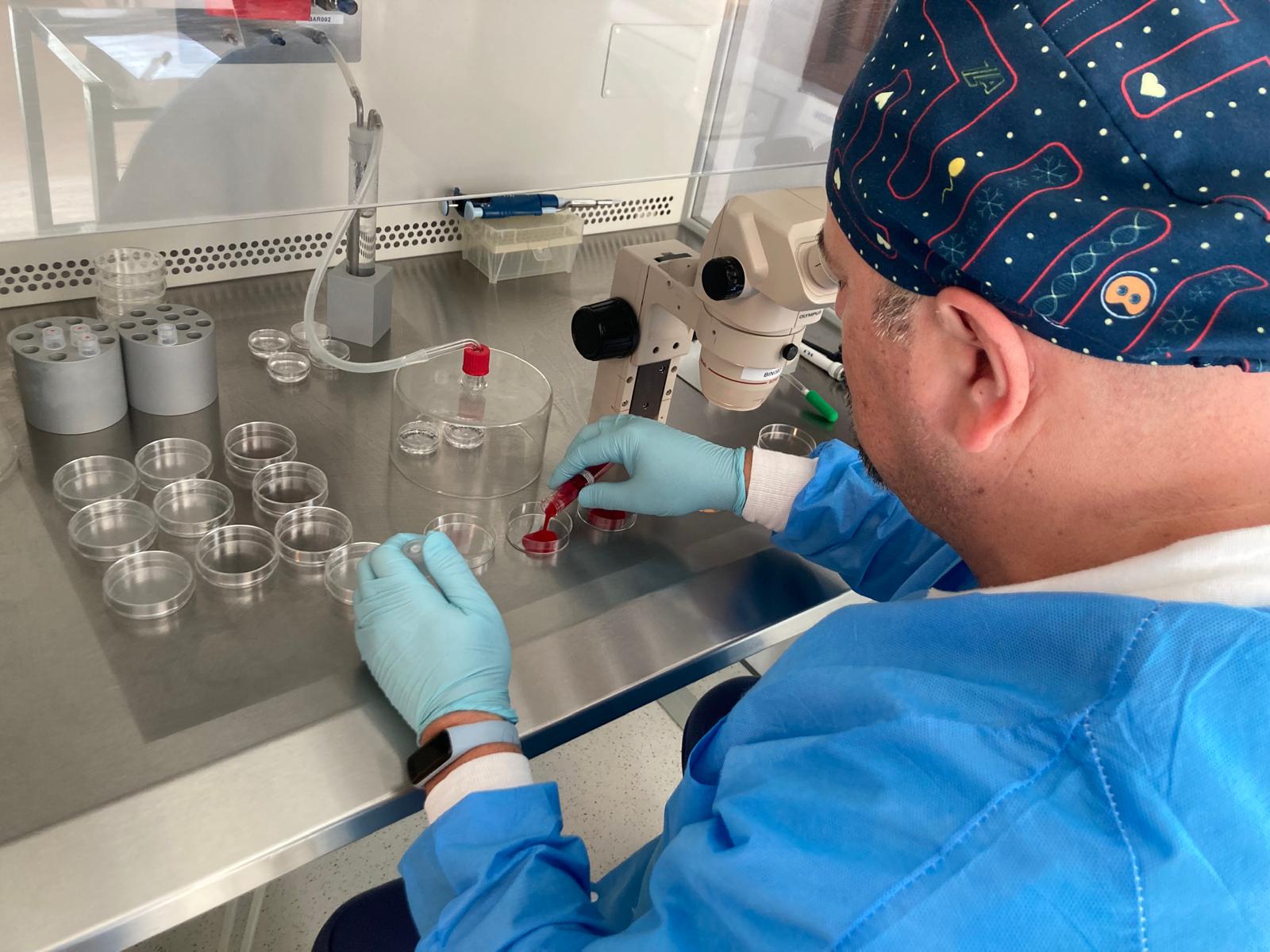
Our clinic is committed to addressing fertility issues using a multidisciplinary approach, aligned with scientific society recommendations. Because these difficulties often occur in a broader health context, including the psychological dimension, we offer comprehensive support, both medical and human. Our team accompanies you throughout your journey toward parenthood.
Integrated into an academic hospital, our clinic also contributes to medical advancements through numerous research projects, continuously improving fertility care.
Image

Image

Image

A Clinic Dedicated to Supporting Infertile Couples
Our fertility clinic is dedicated to supporting infertile couples on their path to parenthood. We offer personalized care, focused on solutions tailored to each situation. After a complete evaluation, we provide options such as intrauterine insemination, in vitro fertilization, and alternative parenthood options, including sperm and egg donation.
Solutions to Preserve Fertility and Prevent Genetic Disease Transmission
We provide preimplantation genetic diagnostics for couples who wish to avoid passing on genetic disorders to their children. Our team is fully committed to fertility preservation, whether due to cancer, endometriosis, or age-related infertility. We also manage various menstrual cycle disorders, such as polycystic ovary syndrome (PCOS) and premature ovarian insufficiency, including Turner syndrome.
Our multidisciplinary approach combines rigor, humanity, and expertise, ensuring comprehensive and compassionate follow-up.
Our Fertility Care Services
Preimplantation Genetic Diagnosis (PGD/PGT)
Preimplantation genetic testing is a technique to detect genetic abnormalities in an embryo created in vitro before uterine implantation. It is earlier and less invasive than genetic tests performed during pregnancy and allows couples carrying serious genetic disorders to significantly increase the chances of having a healthy child.
Sperm Donation
Donor sperm may be recommended in cases of total or near-total absence of sperm, or to prevent passing a genetic disorder from a male carrier to offspring. It is also a solution for female couples or single women wishing to conceive via medically assisted reproduction (MAR).
Egg Donation
Egg donation has been offered since 1984 at Erasme and has helped thousands of women worldwide become mothers. It is offered when infertility is due to very low egg quality despite ongoing menstrual cycles, or when the ovaries no longer contain follicles and are nonfunctional. Some patients also use it to prevent passing on a genetic disorder to their child.
Fertility Preservation for Medical Reasons
Fertility preservation is recommended when a disease or its treatment may impair fertility. Treatments such as ovarian or testicular surgery, chemotherapy, radiotherapy, or certain genetic conditions can damage ovaries or testes. This is particularly relevant in cancer treatment. Fertility preservation should ideally be considered before treatment begins. The discipline assessing these risks and providing solutions is called oncofertility.
Fertility Preservation for Age (Age-Banking)
Unlike men, who remain fertile at older ages, women are born with a limited egg reserve that decreases over time. Egg quality also declines, reducing pregnancy chances from age 30, with a sharper decline after 35. At Erasme Hospital, we offer egg vitrification, a rapid freezing technique preserving mature eggs for future use. We also provide sperm cryopreservation, a simple method to preserve male fertility long-term, for example, before a vasectomy.
Fertility Imaging
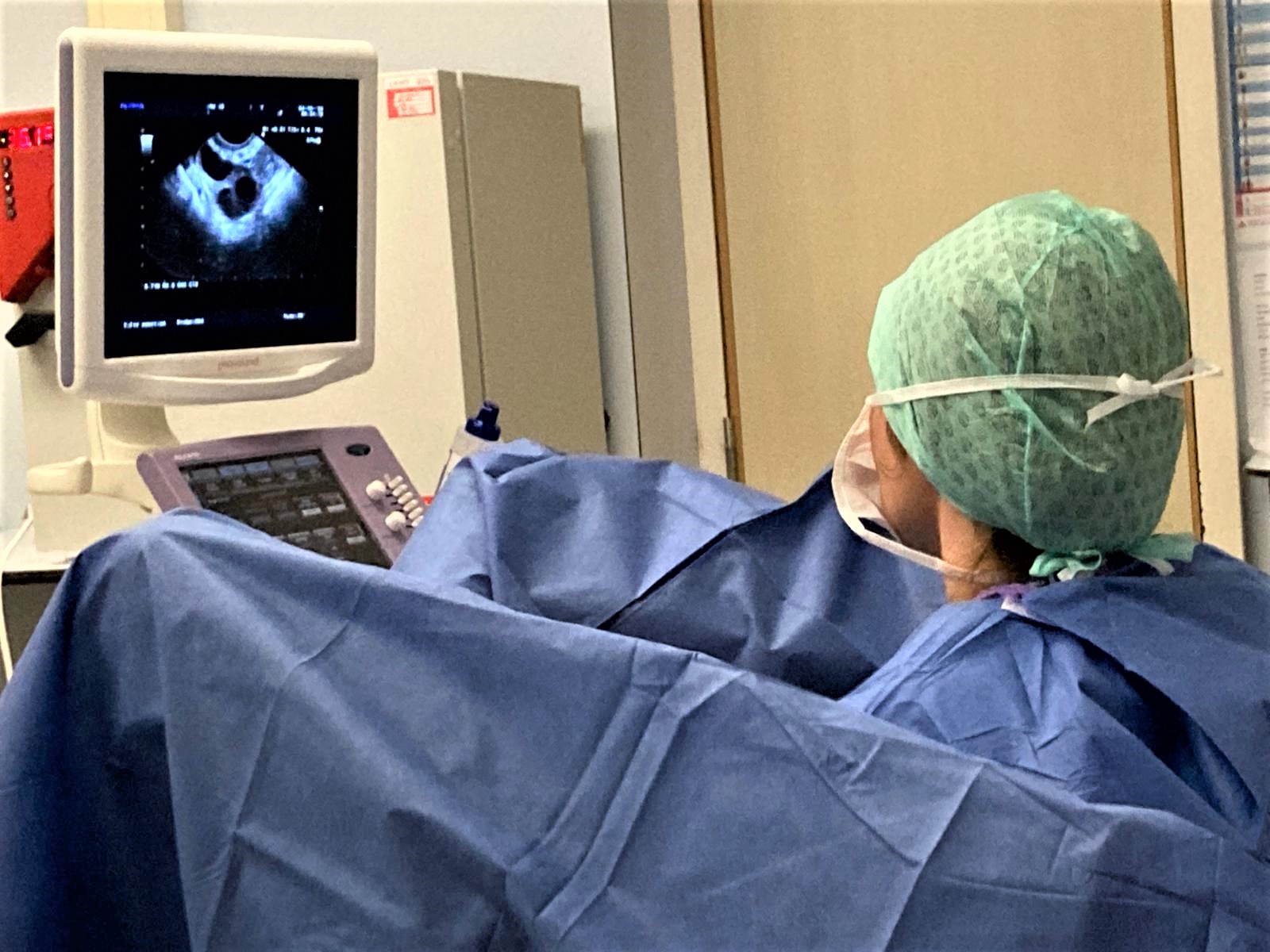
We perform medical exams using ultrasound or X-ray to investigate infertility or conduct a fertility assessment.
Intrauterine Insemination (IUI)
IUI is a simple assisted reproduction technique in which prepared sperm is introduced into the uterine cavity using a fine catheter. The goal is to facilitate the meeting of gametes (eggs and sperm) in the female reproductive system. Using partner sperm is called homologous insemination (IAC), and donor sperm is called donor insemination (IAD).




Dr. Catherine Houba, Director of the Fertility Clinic
Obstetrician–Gynecologist specialized in Reproductive Medicine.
Dr. Houba is deeply committed to the prevention of infertility. Her work addresses a wide range of topics, from reverse family planning to oocyte self-preservation.
“As Clinic Director, I firmly believe that developing collective intelligence—both within my team and in our interactions with patients—is key to success. It allows us to foster an environment of collaboration, innovation, and personalized care, all of which are essential to medical excellence.”

A Team of Specialists Guiding You Step by Step
Our clinic brings together a team of experts dedicated to your project:
- Fertility-specialized gynecologists
- Reproductive biologists
- Psychologists and emotional support counselors
- Nurses and care coordinators
- Andrology and endocrinology specialists
We work together to ensure comprehensive and personalized care.
Our Doctors
Dr. Soraya AMIRGHOLAMI
Specialties: All MAR requests; egg donation; anonymous egg donors; infertility and endometriosis.
Languages: French, English
Dr. Elisabeth ANAGNOSTOU
Specialties: All MAR requests; MAR cycle management in Tournai.
Languages: French, Greek, English
Dr. Margherita CONDORELLI
Specialties: All MAR requests; oncofertility; fertility preservation for medical reasons; fertility evaluation and counseling; fertility imaging (SIS, HyCoSy).
Languages: French, Italian, English
Dr. Serge DE LATHOUWER
Specialties: All MAR requests; fertility preservation; cycle monitoring (Duke Center, Woluwe).
Language: French
Pr. Anne DELBAERE
Specialties: All MAR requests; genetic disorders and reproduction; preimplantation genetic diagnosis; reproductive endocrinology; premature ovarian insufficiency; Turner syndrome (Turner platform); egg donation; fertility preservation; recurrent miscarriage assessment.
Languages: French, Dutch, English
Dr. Isabelle DEMEESTERE
Specialties: Oncofertility; fertility preservation for medical reasons.
Languages: French, English
Dr. Fabienne DEVREKER
Specialties: All MAR requests; preimplantation diagnosis; andrology.
Languages: French, English
Dr. Michel DIKETE
Specialties: All MAR requests; general gynecology and obstetrics.
Language: French
Dr. Isabelle DUPOND
Specialties: All MAR requests; fertility preservation; preimplantation diagnosis; anonymous sperm donors; follow-up monitoring (Souverain Center).
Languages: French, English, German
Dr. Ornite GOLDRAT
Specialties: Onco-sexology.
Language: French
Dr. Catherine HOUBA
Specialties: All MAR requests; fertility evaluation and counseling; fertility preservation; recurrent miscarriage assessment; anonymous sperm donors.
Languages: French, English
Dr. Christian KAMTO FOTSO
Specialties: All MAR requests; MAR cycle management in Ath.
Languages: French, Italian, English
Dr. Caroline LECOCQ
Specialties: All MAR requests; anonymous egg donors; egg donation; cycle monitoring (Lecocq practice).
Language: French
Dr. Noé MOUTARD
Specialties: All MAR requests; infertility imaging (SIS, HyCoSy, receptivity assessment); fertility surgery, endometriosis.
Languages: French, English
Dr. David PENING
Specialties: All MAR requests; andrology; infertility imaging (SIS, HyCoSy, receptivity assessment); oncofertility.
Languages: French, Dutch, English
Dr. Agathe RABATTU
Specialties: All MAR requests; fertility surgery; infertility and endometriosis.
Languages: French, English
Dr. Asma SASSI
Specialties: All MAR requests; pediatric and adolescent gynecology; MAR requests in patients with viral risk (HIV); premature ovarian insufficiency; Turner syndrome (Turner platform); genetic disorders and reproduction.
Languages: French, English, Arabic
Dr. Noémie VANCOPPENOLLE
Specialties: All MAR requests; anonymous egg donors; egg donation.
Languages: French, English
Dr. Mélodie VANDER BORGHT
Specialties: All MAR requests; reproductive endocrinology; pediatric and adolescent gynecology; infertility imaging (SIS, HyCoSy, receptivity assessment).
Languages: French, English
Nurses and Midwives
- Faten ABI-LOTF
- Asmae BOUZAHZAH
- Mélanie GIESKES
- Samira IBRAHIMI
- Christina KOUROUTZIOUDI
- Margherite LEFEVRE
- Nancy LIMAGE
- Meli LUKUBIKA
- Fabienne OOSTERS
Study nurses
- Lydia AIT AHCENE
- Françoise HENRY
Psychologists
- Chantal LARUELLE
- Isabelle PLACE
- Denis WALRAVENS
Secretariat and Coordination
- Chantal DELEAU
- Jeeny FARREEDUN
- Linda GOUIN
- Nawal KARROUM
- Laetitia VAN STICHEL
- Sonia XAMBRE CORDEIRO
Biologists
Director of MAR Laboratory
Necati FINDIKLI
- Larissa BAUDUIN
- Jamila BIRAMANE
- Salomé BORNEMANN
- Penelope COUTURIER
- Anne DANNAU
- Khanssae EL HANCHI
- Giovanna FASANO
- Eric GONZALEZ
- Elodie HUON
- Danijel JANKOVIC
- Sandie JANSSENS
- Guillaume MBONGOLO MBELLA
- Ozlem OKUTMAN
- Thi Mai UYEN NGUYEN
- Anne Sophie VANNIN
Research Laboratory
- Julie DECHENE
- Géraldine VAN DEN STEEN
Services We Collaborate With to Provide Complete Care
Services We Collaborate With to Provide Complete Care

Clinic of Gynecological Surgery

Clinic for Endometriosis

Clinic of Gynecological Ultrasound

Clinic of Obstetrics
- We closely collaborate with other clinics in the Gynecology-Obstetrics department, including the gynecologic surgery clinic, the endometriosis clinic, the gynecologic ultrasound clinic, and the obstetrics clinic, which helps us prepare for sometimes challenging pregnancies. The Natus unit also supports more delicate situations.
- We are part of the transgender platform, which supports individuals in their gender transition journey.
- We work closely with the genetics department for the preimplantation genetic testing program and gamete donor selection. They help inform patients about specific genetic risks.
- We collaborate with the children’s hospital (HUDERF) for fertility preservation in children with cancer and for gynecologic consultations for children and adolescents.
- Finally, our oncofertility team works in close synergy with the various services at the Jules Bordet Institute, ensuring complete and personalized care.
Resources and Useful Links on Fertility and Medically Assisted Reproduction
We provide a series of content (produced by doctors, researchers, patient associations, and public health actors) that helps you better understand and manage your fertility and identify support groups for exchange. Informed patients are empowered to make well-informed decisions about their health. Our teams are available to answer any questions.
FAQ on Fertility and Medically Assisted Reproduction
FAQ on Fertility and Medically Assisted Reproduction
-
1. What is infertility?
Infertility is defined as the inability to achieve a pregnancy after 12 menstrual cycles, despite regular sexual intercourse during ovulation. It affects about 20% of couples. Humans, with roughly a 15% chance of conceiving per cycle, are among the least fertile species, alongside pandas.
-
2. What are the main symptoms of infertility?
Difficulty conceiving is often the only noticeable sign of infertility. However, some symptoms may serve as warning signs. In women, irregular menstrual cycles, pelvic pain, or menstrual disorders can be indicative. In men, erectile difficulties, reduced libido, or changes in sperm appearance can be signals to consider. If you experience these symptoms and wish to conceive, it is recommended to consult a fertility specialist to identify the causes and explore appropriate solutions.
-
3. What are the causes of infertility in men and women?
In women, common causes include ovulation disorders (such as polycystic ovary syndrome), blocked fallopian tubes, endometriosis, or hormonal problems. In men, abnormal sperm production or ejaculation problems are the main causes of infertility.
-
4. Is infertility only a female problem?
No, infertility affects both men and women. About one-third of cases are due to female factors, one-third to male factors, and the remaining third results from combined or unexplained factors. That is why it is essential that both partners are evaluated to best identify the causes and possible solutions. Infertility is an issue that concerns the couple as a whole.
-
5. How long should one wait before consulting for infertility?
It is recommended to see a doctor after one year of unsuccessful attempts for patients under 35. Beyond this age, a consultation is advised after six months, as fertility decreases over time. The doctor can then carry out various tests to evaluate the couple’s fertility, including sperm analysis, gynecological ultrasounds, hormone measurements, and other tests tailored to each situation.
-
6. What is MAR (Medically Assisted Reproduction)?
Medically Assisted Reproduction (MAR) encompasses a range of techniques designed to help couples who have difficulty conceiving naturally. These methods include intrauterine insemination (IUI), in vitro fertilization (IVF), sperm or egg donation, gamete cryopreservation (eggs and sperm), and preimplantation genetic testing.
-
7. Are infertility treatments effective?
Infertility treatments can be very effective, but success varies depending on several factors, such as age and cause of infertility. Treatments like IVF tend to have higher success rates in younger couples. A personalized evaluation by a specialist helps guide the most appropriate strategy for each situation.
-
8. How does In Vitro Fertilization (IVF) work?
An IVF cycle usually lasts about four weeks and follows a defined protocol. First, ovarian stimulation for around 10 days is performed to promote the maturation of multiple eggs. Once ovulation is triggered, the eggs are retrieved via a vaginal puncture and fertilized in the lab with the partner’s or donor’s sperm. After five days of embryonic development, one embryo is transferred into the uterus. About 10 days after the transfer, a pregnancy test checks whether implantation has succeeded.
-
9. What are the chances of success with MAR?
Success rates for MAR depend on several factors, including the woman’s age, the quality of eggs and sperm, and the technique used. On average, IVF has a success rate of 30–40% per embryo transfer for women under 35. This rate gradually decreases with age. Multiple attempts are often needed to achieve pregnancy.
-
10. Who can access MAR in Belgium?
MAR is available to heterosexual couples, same-sex couples, and single women, regardless of marital status. Belgian law also allows sperm or egg donation. IVF is legal up to 45 years of age and partially reimbursed by social security up to 42 years.
-
11. Are the treatments painful?
Each treatment journey is different, but we do everything possible to make the procedures as comfortable as possible.
-
12. Can I undergo MAR as a transgender person?
Yes, we support all individuals wishing to become parents, regardless of their gender identity or personal situation.