
Feeding tube: a tool to take care of yourself when your body needs it
When a patient can no longer eat by mouth, either temporarily or on a more permanent basis, another route must be found...
What exactly is a feeding stoma?
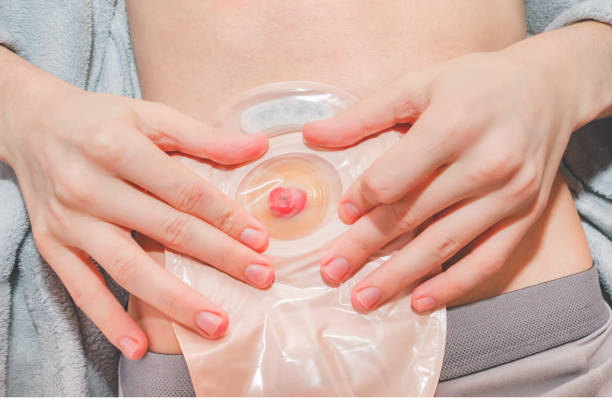
When a patient can no longer eat by mouth, either temporarily or on a more permanent basis, another route must be found. A gastrostomy is one of these alternatives: it consists of creating a small opening that connects the stomach to the skin through a tube. The procedure is performed endoscopically, using a simple technique that avoids major surgery and allows the tube to be placed safely.
Who is concerned?
People who require a gastrostomy have very different profiles, but they share the same reality: their body can no longer meet their nutritional needs on its own.
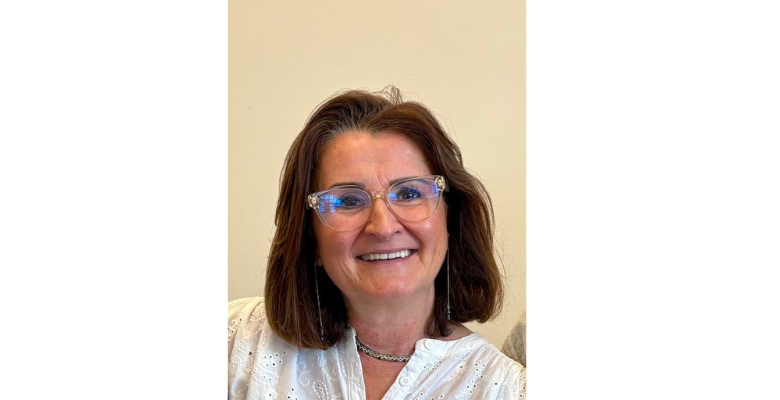
“This may be related to neurological diseases that affect swallowing, established malnutrition, certain cancers that weaken the body, or lung diseases that use up all the available energy,” explains Ms Ballarin.
When oral feeding is no longer possible or is insufficient, and this situation is expected to last, gastrostomy becomes an appropriate and safe option to ensure a reliable and continuous nutritional intake for the patient.
Is it risky?
“As with any medical procedure, complications can occur, but they are rare, often mild and, above all, largely preventable,” reassures the head nurse.
Everything begins well before the procedure: the team meets with the patient and their relatives, explains each step, answers questions and prepares the return home. Anaesthesia or sedation may be offered to ensure the procedure takes place under the best possible conditions. This preparation phase is not a minor detail: it reduces stress and limits risks for the patient.
In the long term: manageable inconveniences
“Following good practices reduces the risk of complications, which is why therapeutic support for patients and their caregivers is so important. Education and training have three objectives: ensuring effective tube feeding, preventing complications and improving the patient’s comfort,” stresses Ms Ballarin.
The most common complications are skin-related issues, such as inflammation, granulomas, fungal infections or local infections. These skin problems are generally mild and can usually be treated easily with appropriate care.
Digestive intolerances may also occur, such as nausea, bloating, diarrhoea or constipation. Although these symptoms can be unsettling, they are usually easy to understand and, above all, can be corrected through adjustments to the way the feeding is administered.
The most frequent late complications are skin irritations around the tube (redness, inflammation, fungal infections), which can also be treated easily. Digestive problems (a sensitive abdomen, altered bowel movements or constipation) may appear when enteral nutrition is started, meaning when liquid nutrition is delivered through the tube. These symptoms can sometimes worry patients, but they have explanations and, most importantly, can be treated.
The right daily habits?
Two simple steps every day: clean the area with water and dry it thoroughly. Clean and dry skin helps prevent irritation and limits most complications. The second step is less obvious but just as essential: gently move the tube every day with a small back-and-forth movement. This simple action prevents the tube from becoming embedded in the stomach wall, a rare but serious complication that can largely be prevented thanks to the advice provided to patients.
“Each patient leaves with a clear information booklet and a detailed care protocol. Consultations take place twice a week, on Monday afternoons and Wednesday mornings. A full assessment is organised every six months. And if there is any doubt, a direct helpline is available at any time. Often, a simple phone call or a photo sent from a smartphone is enough to reassure the patient and solve the problem, sometimes without the need to come to the hospital,” explains Ms Ballarin.


When should you contact us?
“It is essential to inform us as soon as an adverse event occurs, whether or not it is related to the tube. Some signs, even if they seem minor at first, can quickly become troublesome for the patient and compromise the continuation of nutritional treatment. Our role is precisely to intervene early to prevent these small problems from becoming more serious,” she explains.
Any redness, irritation, discharge or unusual pain around the tube should be reported immediately. These problems are common but can be treated easily when managed quickly.
Digestive discomfort is often misunderstood. A bloated abdomen, nausea, constipation or pain does not necessarily mean that “the nutrition is not being tolerated”. In most cases, it simply means that an adjustment is needed: the feeding rate may be too fast, the timing may not be suitable, hydration may be insufficient, or there may sometimes be a cause unrelated to the tube itself (gastroenteritis, medication, stress, etc.).
Difficulty flushing the tube and/or an inability to administer the nutrition should be reported without delay. An early blockage can usually be resolved easily; a later obstruction may require the tube to be replaced.
What about the patient’s social life?
A gastrostomy never occurs in isolation. It enters lives that have already been disrupted by illness. A stroke that changes everything overnight, motor neurone disease that progresses, cancer that gradually drains the body. In these challenging journeys, every new medical step can feel like an additional burden. This is precisely where the healthcare team plays a key role: helping transform a tube that may initially be perceived as a burden into a genuine source of support.
A feeding stoma cannot replace what a meal represents, because eating is about much more than nutrition: it is about sharing a moment, sitting at the table with the people we love. For some patients who can no longer eat by mouth, this loss creates a deep sense of absence that can sometimes be difficult to express.
“It is essential to acknowledge this loss, to listen to it and to provide support. Tube feeding does not claim to fill this void. However, it can provide the energy needed to continue experiencing these moments in a different way: being present, taking part, and staying connected with others. Feeding is not only about calories: it is also about meaning, connection and dignity,” emphasises Ms Ballarin.
A word for someone who has just learned they will need a gastrostomy?
For many people, gastrostomy can feel like one more difficult step in an already challenging journey with an underlying illness. These are diseases that disrupt everything: the body, independence, social life and identity. So yes, hearing that a feeding tube will be placed can be frightening. This is a normal reaction. The aim is to help patients find meaning where there is fear, and to restore a sense of perspective when everything seems to be becoming more complicated.
A gastrostomy is not a failure. It is a treatment. Just as a broken leg requires rehabilitation, a weakened body may need support to receive adequate nutrition. It is not giving up; it is providing help. |
In an already difficult journey, being told that a gastrostomy is needed may feel like another sign that things are getting worse. This reaction deserves to be heard and acknowledged, not dismissed.
And then, the way we see it changes.
“A gastrostomy is not a defeat but a form of support. It is a practical way to take care of yourself when your body needs it,” concludes Ms Ballarin.

Read also...
“With a stoma, my body is different, but life is still possible.”
It is often imagined as something impossible to overcome. A “hole in the abdomen,” a distressing image, a life turned upside down, intimacy forever changed. And yet…