
Nutrition: a valuable asset in stroke prevention
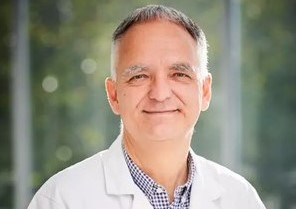
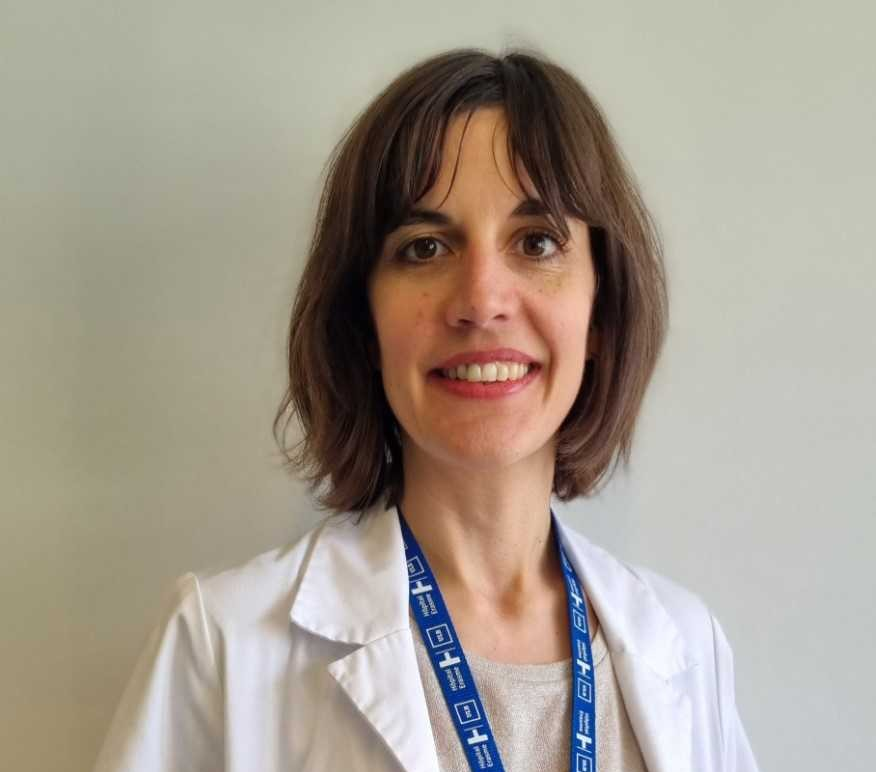
As part of Stroke Tuesdays, organised by the H.U.B Neurovascular Clinic, Prof. Philippe Van De Borne, Director of the Cardiovascular Prevention Clinic, and Ms Marie-Eve Velghe, a dietitian specialising in the management of cardiovascular risk factors, explain how diet fundamentally influences patients’ cardiovascular health before and after a stroke.

Could you explain the various cardiovascular risk factors? How can they affect cardiovascular health and the occurrence of a stroke?
Cardiovascular risk factors are important because they are factors that increase the likelihood of developing heart disease or having a stroke. There are two categories of cardiovascular risk factors.
“Non-modifiable” risk factors include:
- Age, because the older we get, the more the risk increases;
- Sex: men are at greater risk than women before menopause. After menopause, hormonal changes make women more vulnerable. Many cardiovascular events are observed in women aged 80.
- Family history, as cardiovascular diseases and strokes are among the leading causes of death. Statistically, there is always someone in the family who has had a cardiovascular event or a stroke. It must have occurred early, in a first-degree relative (for example, a parent), and before the age of 55 in men and 65 in women. This type of family history considerably increases one’s own risk of having a stroke.
“Modifiable” risk factors can, through a healthy lifestyle and appropriate follow-up, help patients gain years of healthy life. In the context of a stroke, diet has a real influence on the patient’s health.
- High blood pressure: This is the number-one risk factor for strokes. Excessively high blood pressure weakens the arteries and can cause them to rupture or become blocked. Reducing salt intake, eating more potassium (particularly by consuming enough fruit and vegetables), and engaging in regular physical activity are essential for controlling it more effectively.
- Smoking is another major risk factor for developing cardiovascular diseases (CVDs), which mainly affect the heart, the arteries of the brain and the peripheral arteries. Recent studies show that active female smokers are 2.5 times more likely to die from cardiovascular disease than women who have never smoked. This is enormous! Tobacco is a genuine poison, and many smokers find it very difficult to quit, but they should be made as aware as possible of the benefits of taking action, because quitting smoking greatly reduces cardiovascular risks, at any age.
- Excess cholesterol is harmful to the arteries because it promotes atherosclerosis, that is, the deposition of cholesterol in the arterial wall. This gradually impedes blood flow by narrowing the diameter of the blood vessels, particularly those supplying the brain and heart. It is essential to keep the level of “bad” cholesterol as low as possible in order to prevent a stroke.
- Diabetes and excess glucose can also cause strokes.
- A sedentary lifestyle and lack of physical activity are also important factors. At least 30 minutes of moderate physical activity per day is recommended. It is always possible to fit this activity into a busy schedule, even if it means parking your car a little farther away than usual or taking the stairs instead of the lift—there are solutions!
- Being overweight and obesity, particularly abdominal obesity, are very harmful to the cardiovascular system. A balanced diet and regular physical activity can address this risk factor.
- Stress, mental health problems and air pollution also contribute, although to a lesser extent, to an increased cardiovascular risk. There are solutions for learning to manage stress. Mental health problems may contribute more indirectly to the development of cardiovascular risk factors because, when combined with an unfavourable socioeconomic context, they can lead to poor treatment adherence. Air pollution is toxic to the small blood vessels. You should avoid being outdoors or exercising outside during pollution peaks, because the particles present in the air increase cardiovascular risk.
Why does diet play a key role in preventing recurrent strokes?
Diet plays a key role in preventing recurrent strokes because it directly affects the main modifiable cardiovascular risk factors mentioned above. For example, a balanced diet helps control high blood pressure, which is the leading cause of stroke, notably through limited salt intake and a higher potassium intake. Similarly, consuming enough fibre-rich foods, such as fruit, vegetables, pulses, wholegrain cereals and nuts, improves cholesterol levels and arterial health. Reducing “fast” sugars and fats, particularly saturated fats and industrial trans fats, also helps regulate blood lipids, blood glucose and weight more effectively, thereby controlling two other important risk factors: diabetes and excess weight.
“Adopting a protective diet—one that is rich in fibre, antioxidants and unsaturated fats (particularly omega-3), while limiting unhealthy fats, salt and sugars—therefore means acting on several fronts at once to protect the body’s arteries, including those in the brain, and reduce the risk of recurrent stroke and other CVDs.”
Are there one or more dietary patterns that are particularly recommended for stroke prevention?

Yes, the best-known is the Mediterranean diet, based on the traditional eating habits of people living in Mediterranean countries such as Greece, Italy and Spain in the 1960s. It is based on a high intake of fruit, vegetables, pulses (such as lentils, chickpeas, dried beans and split peas), whole grains, extra-virgin olive oil (the main source of fat), nuts and seeds, regular consumption of fish and seafood, poultry and low-fat dairy products (cheese and yoghurt). These foods are rich in fibre and healthy fats and are packed with antioxidants that protect the arteries, reduce inflammation and help regulate blood pressure and cholesterol. The World Health Organization (WHO) has described the Mediterranean diet as an effective dietary strategy for the prevention and management of non-communicable diseases such as cardiovascular diseases, diabetes, certain cancers and neurodegenerative diseases (Parkinson’s disease and Alzheimer’s disease). The European Society of Cardiology (ESC) also stated in its latest 2021 recommendations on cardiovascular disease prevention that “Adopting a Mediterranean-type diet may contribute to reducing cardiovascular risk in all individuals, including people at high cardiovascular risk and patients with cardiovascular disease”.
Another diet that is also highly beneficial for combating hypertension, and therefore reducing the risk of cerebrovascular accident, is the “DASH” diet (Dietary Approaches to Stop Hypertension). This diet focuses on reducing salt intake while increasing the intake of potassium, magnesium and calcium, essential minerals for lowering blood pressure.
These two diets share common principles: little or no ultra-processed food, less saturated fat and added sugar, and a central role for unprocessed foods rich in protective nutrients.
They are affordable and easy to implement in daily life, helping people adopt healthy eating habits that can make a significant difference to long-term cardiovascular health.
What are the main principles of a suitable diet after a cerebrovascular accident? In other words, what are the main dietary recommendations you give to the patient and/or, where appropriate, their close caregiver, to optimise their cardiovascular health?
After a cerebrovascular accident, it is essential to adopt a balanced diet in order to minimise the risk of recurrence associated with cardiovascular risk. Here are the six main recommendations we give patients:
1. Limit salt intake
We recommend that patients limit or even completely eliminate added salt, remove the salt shaker from the table, and use alternatives to season their meals, such as aromatic herbs, spices and unsalted condiments including garlic, ginger and lemon juice. We also raise awareness of “hidden” salt, which accounts for almost 80% of our daily salt intake. This hidden salt can be reduced by avoiding or severely limiting the consumption of industrially prepared meals, processed meats, very salty cheeses and savoury snacks such as crisps, salted peanuts and savoury biscuits.
2. Choose healthy fats
We inform patients about so-called “visible” fats and “hidden” fats.

“Visible” fats are those added to bread, used for cooking or dressing a salad.
- For cooking, it is recommended to use fats rich in monounsaturated fatty acids, which are more heat-resistant and better for your health, such as olive oil, peanut oil or high-oleic sunflower oil (“oleisol”).
- For cold use, it is preferable to consume oils rich in omega-3, such as rapeseed, camelina or walnut oil. Warning! These oils should not be used as cooking fats, as omega-3 fatty acids are highly sensitive to heat and may become harmful when heated.
- For bread, it is preferable to use a vegetable-based spread, reduced in fat and enriched with omega-3, or possibly to use a small amount of unsalted butter, spread very thinly on the slice of bread. Nut butters and pastes (peanut butter, almond or hazelnut paste) are also very interesting options!
Our omega-3 intake is often insufficient in proportion to our intake of omega-6, which is generally high. One of the aims of a healthy diet is therefore to rebalance the ratio between omega-6 and omega-3 by increasing omega-3 consumption. For example, we recommend using rapeseed or camelina oil (rich in omega-3) to prepare a vinaigrette or mayonnaise, rather than sunflower or corn oil (rich in omega-6)! |
“Hidden” fats are, by definition, those naturally present in foods.
- Sources of healthy fats include oily fish, which should preferably be chosen small in size (as they contain fewer heavy metals), such as sardines, mackerel, herring, trout or wild salmon. Nuts and seeds, poultry (without the skin), rabbit and avocado (the only fruit containing fat) are also good sources.
- It is also strongly recommended to avoid cooking with coconut oil, palm oil or coconut oil because these tropical oils are very rich in so-called “atherogenic” saturated fats, i.e. fats that increase bad cholesterol levels and clog the body’s arteries! Foods containing these types of hidden fats should therefore also be avoided.
3. Eat sufficient fibre and antioxidants
They help regulate cholesterol and blood sugar levels, control weight and combat inflammation of the arteries. The main sources are vegetables, fruit, pulses, wholegrain products, nuts and seeds. In practical terms, we recommend consuming the following amounts and frequencies:
- At least 300 g of vegetables per day (cooked, raw, in soup, etc.). Vary them and give preference to seasonal, locally grown vegetables. At the main meal, they should ideally fill 50% of the plate.
- 2 portions of fresh fruit per day (1 portion = the volume of a fist = approximately 125 g/day). Here too, preference should be given to seasonal, locally grown fruit.
- 80 g of pulses twice a week as part of meals (for example, hummus on bread, falafel balls as a main course or lentils in a salad).
- A wholegrain product at least once a day (such as wholemeal bread, porridge oats, muesli, bulgur, quinoa, whole-wheat pasta, brown rice, etc.).
4. Consume high-quality plant and animal proteins
These include pulses, soya and tofu, poultry (without the skin), fish and eggs, especially omega-3-enriched eggs.
“For a long time, people were advised against eating eggs because the yolk is rich in cholesterol. However, studies have shown that what really matters is not controlling dietary cholesterol, but limiting the consumption of saturated fatty acids and industrial trans fats as much as possible, as these have a greater influence on blood cholesterol levels. Today, recommendations allow patients to eat up to 7 eggs per week. Plant proteins contain no cholesterol at all.”
Among animal proteins, certain meats should be limited. This applies to red meat (in short, all meat except poultry and rabbit), which should be limited to a maximum of 300 g per week. As for processed meats, i.e. minced meat and cold cuts, the less you eat, the better! They are often high in salt, as well as preservatives (nitrites and nitrates), which are compounds that are harmful to health! |
5. Reduce added sugar intake as much as possible.
This means limiting the consumption of pastries, biscuits, viennoiseries, sweets, avoiding adding white or cane sugar, honey or various syrups (agave, maple, Liège, etc.) to drinks or food, and above all avoiding soft drinks and fruit juices. All these foods, which are highly concentrated in sugar, promote blood sugar spikes and the accumulation of fat in the brain and heart. It is important to know that even fruit juices labelled “no added sugar” contain a great deal of sugar—as much as soft drinks.
6. Limit or avoid alcoholic beverages.
“In the past, the protective effect of red wine was promoted, and people were advised to drink one or two glasses a day to stay healthy. Today, this recommendation is no longer valid at all. It has been proven that, to prevent cardiovascular diseases and other diseases such as cancer, it is advisable to drink little or no alcohol at all.”
Ideally, to prevent cardiovascular diseases and help combat high blood pressure, no alcohol should be consumed at all. If alcohol is consumed, it should not exceed 10 units per week, equivalent to 10 small glasses of wine (120 ml) or pilsner beer (250 ml), spread well over the week and including 2 alcohol-free days. |

Water remains the best drink. Good hydration is vital, and it is recommended to drink at least 1.5 L per day, or approximately 8 glasses of water, in addition to the soup, coffee, tea or herbal teas that may be consumed during the day.
“Of course, all these recommendations must take the patient’s overall health into account and ensure that any dietary contraindications that could contribute to deterioration related to another condition are avoided (for example, the use of potassium salt as a substitute for table salt in patients with kidney failure). Fluid intake must also be adjusted and reduced in certain situations, particularly in cases of fluid and sodium retention associated with heart failure.”
Finally, for patients who have already experienced one or more cerebrovascular accidents, the challenge is to adapt meals to their abilities. Some patients do, in fact, suffer from swallowing disorders or severe fatigue that prevent them from eating “as before”. They should therefore be offered tasty dishes every day, with textures and portions adapted to their needs, so as to preserve the pleasure of eating without taking risks. We also ensure that the diet takes household arrangements, culture and religion into account. We encourage the family, close carers and those around the patient in general to become involved in preparing meals. This creates a convivial atmosphere around mealtimes and makes the patient’s life considerably easier, while helping to ensure that their healthy eating habits are sustainable.
What medical care is currently available at Erasme Hospital - HUB to control cardiovascular risk factors in patients who have experienced one or more cerebrovascular accidents?
In acute cases, patients receive highly specialised care at the Neurovascular Clinic (also known as the “Stroke Unit”).
“When treating a cerebrovascular accident, every minute counts, for the brain as well as the heart, which is why the team is available 24/7.”
The care provided includes monitoring and management of high blood pressure and metabolic disorders. Anticoagulant treatments may be administered. The team also has cutting-edge expertise and a flawless organisation enabling it to perform surgery and unblock the occluded arteries responsible for the cerebrovascular accident.
Brussels University Hospital is an academic hospital that provides integrated and multidisciplinary care. The Cardiovascular Prevention Clinic provides preventive support for cardiovascular diseases, cardiovascular risk-factor assessments, dietary assessments, educational programmes, prevention workshops and a rehabilitation service. Care also includes smoking cessation support, which, as mentioned previously, is one of—if not the most important cardiovascular risk factor.
“Our care approach is centred on the patient and their needs and, whenever possible, involves implementing a systemic care approach that includes the family, to help the patient adopt—and maintain—certain habits that can be difficult to sustain without family support.”
Medical and paramedical follow-up is organised in such a way as to:
- Ensure that patients survive the cerebrovascular accident with as few sequelae as possible.
- Work together to prevent cardiovascular diseases, particularly when a lesion of the cerebral or coronary arteries occurs.
Today, many effective therapeutic options are available, making it possible to increase life expectancy and, above all, reduce cardiovascular events, despite the ageing population.
“In Belgium, in 1986, 33% of deaths were due to cardiovascular causes. Today, that figure is 22%. This trend is encouraging and continues to move in the right direction in preventing and combating cerebrovascular accidents and cardiovascular diseases.”