We're hiring ! Join us and make a difference in our hospitals


Functional investigations of the esophagus
To clearly inform you about the course of this examination, we invite you to read this information carefully.
What are functional investigations of the esophagus?
Les investigations fonctionnelles de l’œsophage permettent de diagnostiquer un trouble de la motricité œsophagienne (contraction anormale du muscle de l’œsophage) et d’investiguer le reflux gastro-œsophagien comme cause potentielle de vos symptômes.
Functional investigations of the esophagus help diagnose esophageal motility disorders (abnormal contraction of the esophagus muscle) and investigate gastroesophageal reflux as a potential cause of your symptoms.
Functional investigations of the esophagus: esophageal manometry
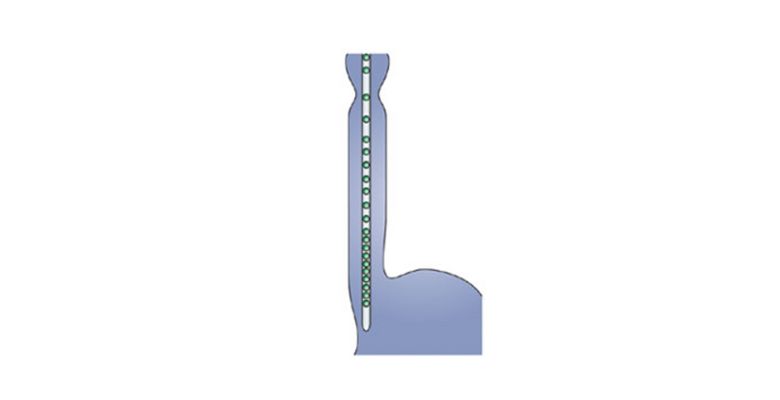
This test is used to understand the cause of your symptoms (difficulty swallowing, pain when swallowing, chest or stomach pain, regurgitation). It is also performed before or after certain surgeries such as anti-reflux surgery. A thin tube is inserted through the nose into the esophagus to measure pressures and contractions.
How to prepare for esophageal manometry:
Before the procedure:
Inform your doctor about your medical history and the medications you usually take. Mention any known allergies.
You must fast (no food or drink) and not smoke for 6 hours before your appointment.
How esophageal manometry is performed?
The tube is inserted through the nostril and guided into your stomach. The test lasts about 15 minutes. During the test, you will be asked to sip water and, if necessary, eat a slice of white bread (provided by the hospital).

Possible incidents:
The test is generally well tolerated and not painful.
Nausea may occur due to the tube passing through the throat. A local anesthetic spray may be applied if needed.
As with any medical procedure, there is a small risk of complications. The equipment is disinfected between patients, and accessories are sterilized or single-use.
Possible side effects:
- Discomfort in the nose or throat, runny nose
- Rare: nosebleeds
Contact your doctor if you experience any concerning symptoms: +32 (0)2 555.32.92 (Endoscopy Clinic) or by email at rendez-vous [dot] Endoscopie [dot] erasme [at] hubruxelles [dot] be
functional investigations of the esophagus: 24-hour pH-impedance monitoring
This test aims to quantify gastroesophageal reflux (backflow of stomach contents into the throat, acidic or not) over 24 hours and evaluate the link between your symptoms (heartburn, regurgitation, chest pain, cough, belching, etc.) and this reflux.
Preparation for 24-hour pH-impedance monitoring:
On the day of probe placement, fast for 6 hours (no food, drink, or smoking).
Acid-reducing medications (pantoprazole, omeprazole, lansoprazole, Nexiam®, Pantomed®) are usually stopped 7 days before the test, unless your doctor instructs otherwise.
How the test is performed:
A very thin probe is inserted through the nose into the upper stomach. The probe passes behind the ear and is secured with adhesive on the cheek and neck. It is connected to a small portable recording device worn on a shoulder strap.
Once in place, you can eat and drink normally. Maintain your usual activities as much as possible.
Use the device to record:
- Start and end of meals, periods of drinking
- Body position (upright or lying down)
- Symptoms such as burning, coughing, etc.
Note:
- The device is not waterproof; avoid baths or showers. Handle carefully to prevent damage.
Possible incidents:
- Probe partially displaced: remove completely and return for removal.
- Probe accidentally disconnected: reconnect and note the time.
- Allergic reaction to adhesive
The next day:
- Return to the Endoscopy Department at the specified time for probe removal.
- Fasting is not required.
- A gastroenterologist will analyze the recording and send the results to the referring doctor.